Pathological Accommodation

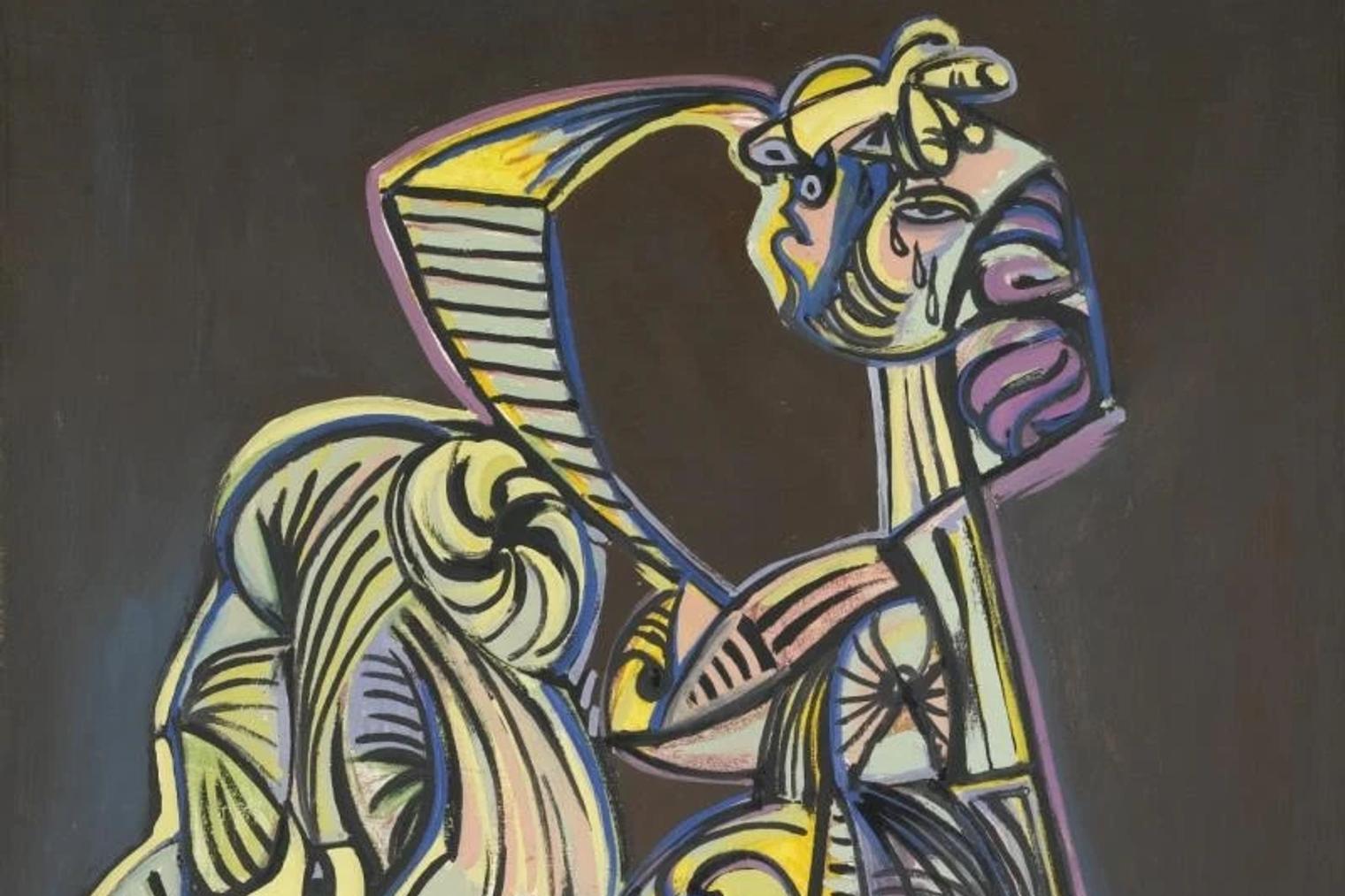
Peace keeper, shape shifter, people pleaser. Do these traits sound familiar to you? Most of us know what it feels like to withhold back a comment, loosen a boundary or say: “it’s fine!” when it isn’t. But for some folks, this is more than an occasional relational compromise.
Pathological or over-accommodation is what happens when a person repeatedly represses their own needs, feelings, and authentic reactions in order to maintain connection with an other. It’s an adaptation born out of necessity when the child - dependent on their attachment figure - sensed their own spontaneous authentic expressions and reactions were unwelcome.
Survival Strategy
Contemporary Psychoanalyst Bernard Brandchaft used the term to describe situations where a person becomes organized around the emotional needs of another. Instead of being guided by their own inner experience, they are attuned to the desires, moods, and vulnerabilities of the person they depend on that they begin to adopt or adapt to the views and feelings of the other at the expense of their own inner experience. This is different from mutual, reciprocal or shared relational experiences that may be more defined by compromise or collaboration.
Over time, these accommodations begin to shape a person’s sense of self. The person may come to believe that they are “easygoing,” “not bothered,” or “happy to go along with anything,” when in reality they have never had the safety to discover what they truly want.
When a child grows up with caregivers who are intrusive, easily overwhelmed or anxious, or emotionally unpredictable, the child quickly learns that expressing their real feelings leads to difficulty in the relationship such as criticism, guilt or withdrawal. The child’s own experience becomes threatening to the relationship so they adapt: the strategy: “don’t upset Mom” or “don’t make Dad angry” – keeps them safe. If authenticity was met with tension or collapse, the child begins to believe that the only route is to anticipate and meet the caregiver’s needs. Over time, they can lose touch with aspects of their inner life.
This unconscious survival strategy persists into adulthood, whereby a child who has learned the necessity of accommodation continues to constantly scan others’ moods or needs, attuning to their tone, smoothing interactions, and feeling overly responsible.
The Psychic Toll
People who over-accommodate often struggle to feel what they want in the moment. They defer decisions, avoid conflict, and prioritize harmony even when it isn’t in their interests. They may apologize excessively or feel guilty for having boundaries. THey can also feel a sense of emptiness, exhaustion, resentment or confusion.
The psychological cost of pathological accommodation can be profound. Many people experience chronic anxiety from the constant vigilance required to track others’ emotions and states of shame can develop because the person has internalized the belief that their needs are inappropriate or burdensome.
It’s also extremely common for these individuals to feel stuck in one sided relationships. When someone has been trained to ignore their own boundaries, they become vulnerable to partners, friends, or employers who can consciously or unconsciously take advantage of that openness.
somatic symptoms – fatigue, muscle tension, digestive issues – can also be a part of their lived experience. The body remembers what the mind has learned to forget.
Restoration of the Self
Healing from pathological accommodation involves recovering and learning aspects of the self that were set aside long ago. This relational process can emerge in emotionally intimate and safe relationships with an other who makes space for their experience. For those people whose self was shared around the emotional demands of others - they need a new relational experience - where their feelings are met with genuine curiosity and safety rather than threat.
Many people who accommodate automatically don’t immediately know when they are angry or uncomfortable. Their emotional radar has been pointed outward for so long that pointing it inward feels unfamiliar, even frightening. They need to grieve for the years spent performing instead of living more authentically and grieve the parts of the self that were never allowed to grow.
Gradually, people begin to experiment with expressing their needs, tolerating disagreement, and asserting boundaries. These moments can feel dangerous at first. But over time and with practice, they help rebuild a sturdier sense of self – one that is allowed to exist without fear of abandonment or emotional retaliation.
Brandchaft’s ideas resonate strongly in a world that often celebrates self-sacrifice, emotional labor, and “keeping things smooth.”Understanding pathological accommodation gives language to a form of suffering that is frequently hidden or misunderstood. It explains why someone might feel empty despite having relationships, or drained despite avoiding conflict, or uncertain despite being outwardly competent. Most importantly, it offers hope. With the right relationship conditions, the real self can develop.
Resources
Published on November 18, 2025